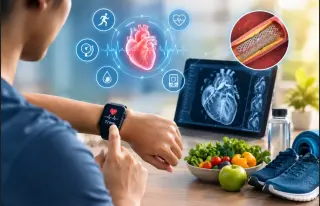
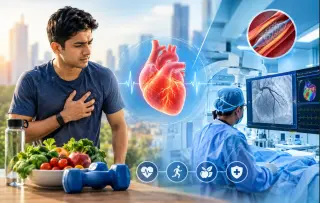
India’s cardiology treatment is shifting towards early diagnosis, personalised care and prevention. Advanced imaging, AI-assisted diagnostics and wearable technology are helping identify cardiovascular risks, while experts stress the importance of screening and healthier lifestyles.
Loud firecrackers and booming loudspeakers during Diwali can damage the inner ear, sometimes in a single moment. An audiologist explains the risks, warning signs and precautions to help protect hearing during the festival.
India’s precision healthcare ambitions depend on more than advanced machines. Connected systems, predictive maintenance, digital procurement and lifecycle management will be critical to improving hospital efficiency and clinical outcomes.
Cardiovascular risk is increasingly appearing in Indians in their 30s and 40s, with experts highlighting lifestyle, metabolic and genetic factors alongside advances in cardiac treatment.
Homoeopathy in India is seeing a shift toward digital consultations, structured case documentation and outcome tracking, as practitioners call for stronger research, regulation and standardisation.
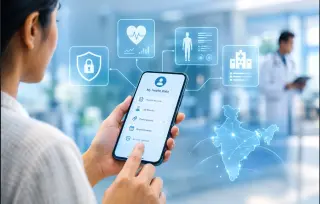
India's digital health infrastructure is expanding rapidly, but the next healthcare leap may depend on patient control over data, interoperability and accountable AI.
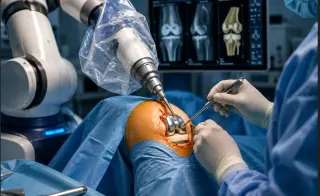
Robotic-assisted knee replacement is bringing greater precision and personalisation to joint replacement, while helping surgeons preserve bone and soft tissue and potentially support faster recovery.
From managing nausea to preventing nutritional deficiencies, experts explain what expecting mothers should eat, avoid and prioritise during the first trimester.
India’s food-safety challenges are moving beyond adulteration, with microbial contamination, temperature abuse, traceability, labelling and supply-chain risks emerging as critical concerns.
Delayed parenthood, changing career priorities, sedentary lifestyles, stress and metabolic health are reshaping India's fertility landscape, raising questions about reproductive health and timely care.
Artificial intelligence is transforming healthcare by enabling earlier disease detection, improving clinical decision-making, streamlining hospital operations and supporting a more predictive, patient-centric model of care.
Cookie Preferences
We use cookies to personalize content, analyze our traffic, and serve targeted ads. Read our Cookie Policy for details.