
Healthcare
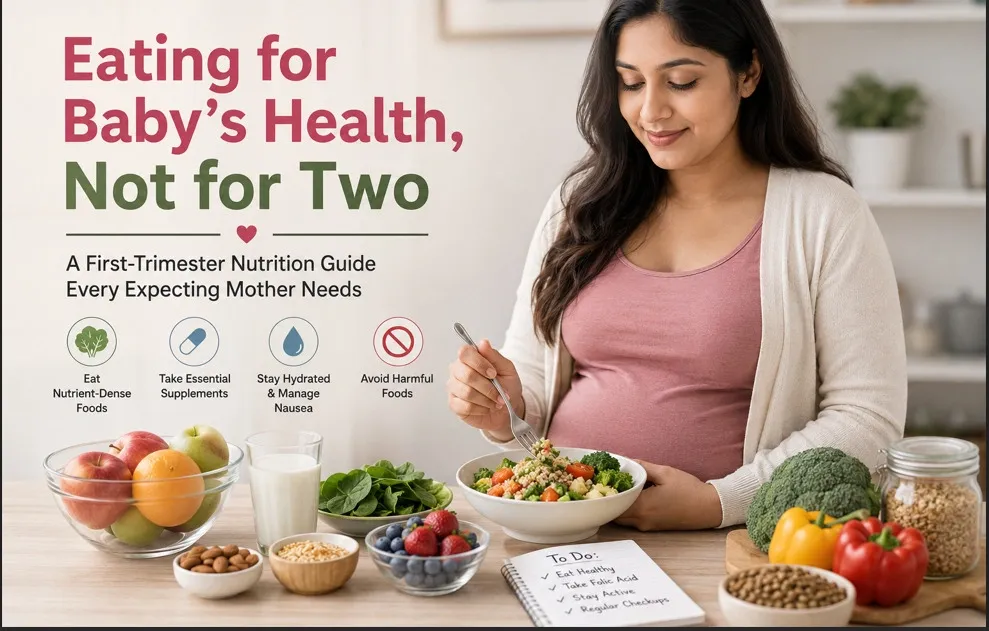
Eating for Baby's Health, Not for Two. A First-Trimester Nutrition Guide Every Expecting Mother Needs
By MILLENNIUM NEWSROOM Desk · Published: Sep 02, 2026 06:38 PM · Updated: Sep 04, 2026 08:46 PM
6 min read
Pregnancy in India today unfolds against a difficult nutritional backdrop. Government survey data (NFHS-5) shows that 52.2% of pregnant women are anaemic, up from 50.4% in the previous round, despite years of public health campaigns. Research on pregnancy outcomes between 2015 and 2021 has also recorded rising miscarriage rates from 6.4% to 8.5% in urban areas and 5.3% to 6.9% in rural areas, alongside a 28.6% jump in stillbirths.
Health bodies continue to flag severe bleeding, infections and high blood pressure as leading causes of maternal complications, many with a nutritional dimension that can be addressed early. Add conflicting social media advice, family traditions and first-trimester exhaustion, and it's easy to see why new mothers feel lost exactly when good nutrition matters most. For evidence-based answers, we turned to some experts in the field of nutritional health.
For many women, the first trimester is less about eating well and more about managing to eat at all. Nausea, vomiting, food aversions and a vanishing appetite raise the worry that the baby isn't getting enough nourishment during this critical window. The reassuring answer is that consistency matters more than quantity here.
The guidance of Divya Achrekar, Clincial Nutrition and Dietitics, Narayana Health SRCC Children’s Hospital centres on small, frequent, nutrient-dense meals rather than large portions. These include dry toast, khakhra, roasted makhana, saunf, rice, khichdi, curd, fruit, nuts, dal and smoothies tend to sit more easily. Eating before hunger turns into nausea, sipping fluids steadily, and simply choosing whatever feels tolerable are practical, low-pressure strategies. The line she draws firmly: persistent vomiting or an inability to keep fluids down needs medical attention, not patience.
Also Read: India’s Food Safety Problem Is No Longer Just About Adulteration
Once eating feels manageable, the next question is what should be on the plate, since the first trimester is when several foundational systems in the baby are built. Folate, iron, iodine, calcium, vitamin D, choline, omega-3s, B12 and protein all deserve attention from very early on. Vegetarian mothers have more options than they may realise — leafy greens, lentils, beans, dairy, tofu, fortified foods, nuts, seeds, chia and walnuts cover most of this list.
Those eating non-vegetarian food can draw on eggs, fish, poultry and meat, with fish offering DHA and vitamin D that are harder to source from plants alone. As Achrekar puts it, "A varied diet helps prevent gaps". No single food needs to do all the work, as long as the plate stays diverse.
Nutrient-dense eating aside, the pharmacy aisle raises its own dilemmas, with prenatal multivitamins marketed heavily to expecting mothers. Confusion over what to take, when to start, and how much is safe is among the most common concerns experts hears in practice.
Experts advice to begin folic acid ideally before conception and continue through early pregnancy, alongside the iron-folic acid supplementation routinely recommended, while vitamin D, iodine, B12 or DHA may be added based on individual need. What is not advised is self-prescribing multiple supplements, since excess iron, iodine or preformed vitamin A can cause real harm rather than acting as "extra insurance." Supplement choices should follow antenatal guidance and professional advice, not internet recommendations.
“Vegetarian sources include leafy greens, dals, beans, sesame, dairy, fortified foods, nuts and seeds. Eggs provide choline and are also a useful protein source. Non-vegetarian choices include eggs, chicken, meat and low-mercury fish such as salmon or sardines for omega-3s. A varied diet is more useful than relying on one “superfood.””, says Dt. Amreen Sheikh, Chief of Dietician, KIMS Hospitals.
If supplements are one grey area, foods to avoid are another, and this list tends to generate the most anxiety. The genuinely non-negotiable avoidances are clear: alcohol, raw or undercooked foods, unpasteurised dairy and high-mercury fish carry real risk. Caffeine isn't banned outright but should stay under 200 mg a day, and food hygiene deserves extra attention given how vulnerable the first trimester is to infection.
Encouragingly, an expert’s answer offers relief many women aren't told about: processed foods, sweets, sugary drinks and fried snacks needn't be completely restricted, and can remain occasional rather than sources of guilt. During nausea, the priority is choosing whatever is tolerable and balancing it with whole foods where possible.
Given how widespread anaemia already is among Indian women, maintaining iron intake deserves its own focus, particularly for those on vegetarian or vegan diets, who are often wrongly told they cannot get enough iron from plants. Daily inclusion of lentils, rajma, chickpeas, soy, tofu, sesame, leafy greens, eggs, poultry and lean meat builds a strong iron base across diet types.
Also Read: Modern Indian Lifestyle Is Rewriting Human Fertility: Are We Paying the Price for Economic Growth?
The trick that changes absorption. It is by pairing plant-based iron with vitamin-C-rich foods such as amla, guava, citrus, tomatoes or capsicum. Equally important is what not to combine, i.e tea, coffee and calcium-rich foods taken alongside iron-rich meals can blunt absorption, so spacing them out is a small habit with an outsized impact on preventing anaemia.
Perhaps no piece of pregnancy folklore is repeated more, or misunderstood more, than "eating for two," a phrase that has quietly fuelled excessive weight gain without improving nutritional outcomes. In the first trimester specifically, the extra calorie requirement is minimal, so doubling portions adds unnecessary weight without nutritional benefit.
The healthier approach: balanced meals built around vegetables, fruits, whole grains, protein and healthy fats, nutritious snacks over calorie-dense processed ones, and weight gain tracked against individual BMI with antenatal guidance rather than a one-size-fits-all number. "Eating for two" should really mean eating twice as thoughtfully, not twice as much.
“Eating for two is largely a myth. Pregnancy increases nutritional requirements, but it does not mean doubling portions or calories. In the first trimester, most women do not require substantial extra calories; instead, the focus should be on nutrient-dense foods such as dals, whole grains, vegetables, fruits, dairy, eggs or other protein sources, nuts and seeds” mentions Garima Dev Verman, Dietitian and Health Educator, The Healthy Indian Project.
Finally, no conversation about Indian pregnancy nutrition is complete without the long list of traditional restrictions passed down through families that include warnings against pineapple, papaya, citrus, brinjal or particular spices, often linked to fears of miscarriage. Most of these restrictions have little scientific basis when the foods are eaten safely and in moderation, meaning many mothers may be avoiding nutritious options unnecessarily.
The exceptions worth taking seriously are unpasteurised, raw or contaminated foods and unregulated herbal remedies, which carry genuine risk regardless of tradition. During severe nausea, the priority remains what it has been throughout, which is small, frequent, tolerable meals, adequate hydration and prescribed supplements with medical care sought promptly if symptoms persist.