
Healthcare
Breathless in the Capital as Toxic Air Leaves Its Mark on Delhi’s Lungs
By MILLENNIUM NEWSROOM Desk · Published: Nov 13, 2026 06:28 PM
4 min read
Rising AQI is fuelling chronic lung disease in smokers and non-smokers alike, and the cost is climbing for patients and hospitals.
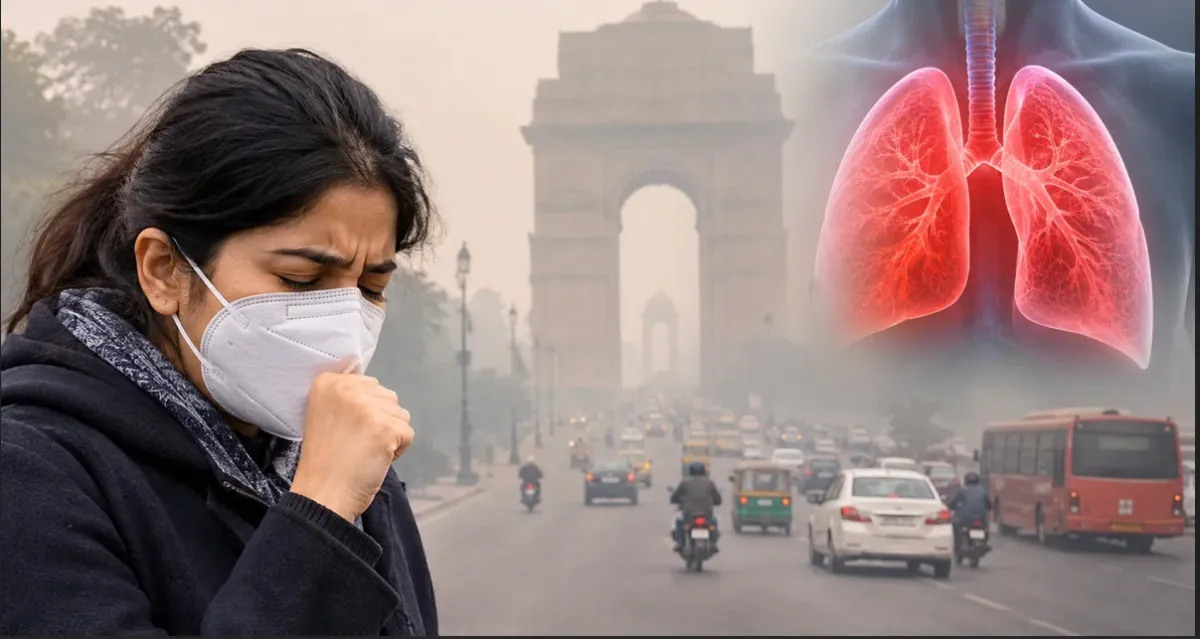
NEW DELHI: Every time the air quality index (AQI) climbs into the hazardous zone, the damage goes far beyond a hazy skyline and stinging eyes. Pulmonologists in the National Capital Region report a growing burden of chronic breathing problems, and the pattern points to an uncomfortable reality: air pollution and lung health are now closely tied, and the harm is no longer confined to smokers or the elderly.
What Fine Particles Do Once They Reach the Lungs
Long-term PM2.5 exposure and exposure to coarser PM10 particles cause ongoing inflammation in the airways, damage lung tissue and reduce lung function. PM2.5 is especially dangerous because these fine particles penetrate deep into the lungs and can even reach the bloodstream.
Also Read:
Delhi AQI Hits 451: Diwali Pollution Is Only the Spark, Not the Whole Fire
Continuous exposure raises oxidative stress, increases mucus production and narrows the airways. Over time, this creates conditions for chronic obstructive pulmonary disease (COPD) to develop, or for existing symptoms to worsen.
When Non-Smokers Get COPD Too
Tobacco remains a leading risk factor, but polluted air can injure the lungs on its own, which is why COPD in non-smokers is a growing concern.
“Although smoking is still considered to be one of the main risk factors, long term exposure to polluted air can also cause lung damage independently as it often leads to chronic bronchitis, shortness of breath and irreversible damage to the lungs in individuals who do not smoke.”
— Dr. Prashant Saxena, Chairperson – Respiratory Diseases & Critical Care, Sleep Medicine, Allergy & Lung Transplantation, Artemis Hospital Gurugram
Even otherwise healthy people with no previous history of COPD can develop chronic lung disease after prolonged exposure to severe pollution. The consequences include persistent airway inflammation, decreased lung function and irreversible damage to lung tissue.
Young Lungs Under Pressure
Children are especially vulnerable because their lungs are still maturing. Young adults, meanwhile, may already have lower peak levels of lung function. Both groups are more prone to asthma and chronic bronchitis.
Also Read:
From Stents to Smartwatches: How India’s Heart Care Is Learning to Prevent, Not Just Repair
Respiratory Diseases Are Now Reaching Younger Patients
Over the past ten years, respiratory diseases have become a greater cause for concern in polluted urban areas. The clinical burden of asthma, chronic bronchitis, persistent cough and worsening COPD symptoms is growing.
Clinicians are also seeing a sharp increase in young people with recurrent respiratory infections, wheezing and breathlessness. Many patients show impaired lung function and airway inflammation despite having no smoking history. The pattern reflects a mix of occupational exposure, indoor smoke, outdoor pollution and lifestyle. Population-based studies and sustained long-term surveillance are still needed to confirm an overall rise.
A Growing Strain on Pulmonary Care
If pollution continues at current levels, asthma, COPD, chronic bronchitis and related conditions are likely to worsen. Demand for pulmonary specialists, diagnostic facilities and long-term treatment is expected to rise with them.
Inside the Modern Treatment Toolkit
Treatment depends on disease severity and the patient’s symptoms. Patients with persistent inflammation or frequent flare-ups receive bronchodilator inhalers, which relax the airway muscles and ease breathing. Inhaled corticosteroids are prescribed to certain patients, and severe cases may need oxygen therapy under medical supervision.
Pulmonary rehabilitation, which combines physical activity, nutritional support and breathing exercises, improves exercise capacity and quality of life. Routine lung function testing helps track progression and allows treatment to be adjusted.
Pulmonary medicine has also advanced. Digital monitoring, high-resolution CT scans and improved spirometry enable earlier detection of lung damage. Combination therapies and newer inhalers deliver medication more effectively. For some people with severe emphysema, a minimally invasive procedure called bronchoscopic lung volume reduction can improve breathing, and AI-assisted tools are being explored to analyse lung scans.
Also Read:
Noise Pollution During Diwali Can Cause Permanent Hearing Loss, Audiologist Warns
Clearing the Air for the Long Term
Authorities need to tighten emission controls, improve public transport, control construction dust and tackle industrial pollution. Healthcare institutions should expand public awareness campaigns, spirometry facilities and screening programmes.
Citizens have a role too, especially during severe pollution episodes.
“If the pollution is very serious, citizens should not smoke, should wear well-fitted N95 masks, keep indoor air cleaner and seek medical care quickly if symptoms continue. Here is where sustained action is needed to make lasting improvements, not just seasonal interventions.”
— Dr. Neeraj Gupta, Clinical Director, Pulmonology, Respiratory Critical Care & Sleep Medicine, Marengo Asia Hospitals, Gurugram
Why Every Breath Now Counts
Rising AQI is no longer just an environmental statistic. It shows up in clinics as breathlessness, chronic cough and falling lung capacity, often in people who have never smoked. Early screening, timely treatment and year-round action on emissions offer the best chance of protecting the next generation’s lungs.
This article is for general information and does not replace medical advice.