
Sports
FIFA World Cup 2026: Cape Verde, Bosnia and Herzegovina, Norway and South Africa Reach Historic First-Ever Knockout Stage
By MILLENNIUM NEWSROOM Desk · Published: Jun 29, 2026 01:48 AM · Updated: Jul 01, 2026 03:49 AM
4 min read
The FIFA World Cup 2026 has already become one of the most memorable editions in football history. Thanks to the tournament's expanded 48-team format and the introduction of the Round of 32, several emerging football nations have been given a chance to compete on the biggest stage. While many traditional powerhouses have once again reached the knockout rounds, four nations have achieved a milestone that will be remembered for generations.
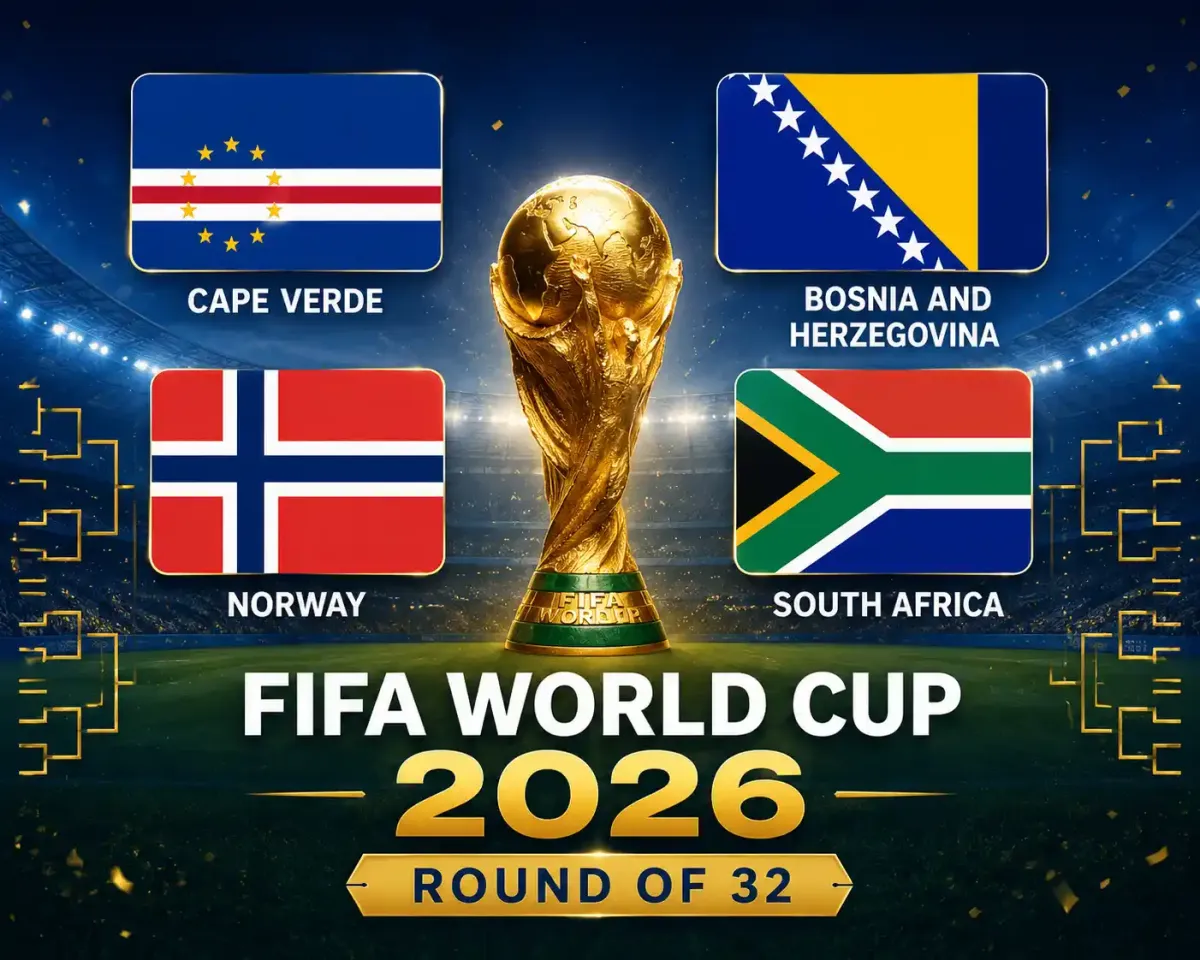
Cape Verde, Bosnia and Herzegovina, Norway, and South Africa have all reached the FIFA World Cup knockout stage for the very first time. Their qualification is not merely a product of the expanded format but the result of years of development, tactical improvement, and the rise of world-class footballers capable of competing with the sport's elite.
Here is a closer look at the remarkable World Cup journeys of these four history-makers.
Cape Verde: Africa's New Football Story
Cape Verde have written one of the greatest underdog stories of the FIFA World Cup 2026. Making their first-ever FIFA World Cup appearance, the island nation stunned football fans worldwide by progressing straight to the Round of 32.
The Blue Sharks have steadily grown into one of Africa's most competitive teams over the past decade, and their World Cup debut has confirmed their arrival on the global stage.
Veteran winger Ryan Mendes has been the face of Cape Verdean football for years, contributing 20+ international goals while providing leadership and experience. Alongside him, midfielder Jovane Cabral has become one of the team's most dangerous attacking threats with his pace, creativity, and ability to score from distance. Goalkeeper Vozinha, one of the country's most-capped players, has also played a vital role with several crucial saves throughout the campaign.
Cape Verde's fearless style and defensive organization have made them one of the tournament's biggest surprises.
Bosnia and Herzegovina: Finally Breaking the Barrier
Bosnia and Herzegovina first appeared at the FIFA World Cup in 2014, but their debut ended in the group stage despite showing flashes of quality. After missing the next two World Cups, the European side returned in 2026 determined to make history.
That determination has paid off as Bosnia reached the World Cup Round of 32 for the first time.
Leading the team is legendary striker Edin Džeko, Bosnia's all-time leading goalscorer with more than 65 international goals. Even in the later stages of his career, Džeko continues to inspire with his movement, aerial dominance, and finishing ability.
Former captain Miralem Pjanić, who has earned 100+ international caps, remains one of Bosnia's finest midfielders, known for his passing accuracy and exceptional set-piece delivery. Together with a younger supporting cast, they have guided Bosnia to the country's greatest World Cup achievement.
Norway: Haaland's Golden Generation Delivers
Norway had qualified for previous FIFA World Cups in 1938, 1994, and 1998, but never progressed beyond the group stage. After nearly three decades away from football's biggest tournament, Norway have finally broken that barrier.
The driving force behind their success is global superstar Erling Haaland. The prolific striker has already scored 40+ international goals before the age of 26 while becoming one of Europe's most feared finishers through his remarkable goal-scoring exploits at club level.
Supporting Haaland is captain Martin Ødegaard, whose vision and creativity have transformed Norway into one of Europe's most entertaining teams. The Arsenal midfielder has registered over 70 international appearances and consistently ranks among Europe's best chance creators.
With a balanced squad built around technical quality and attacking firepower, Norway have finally earned their first appearance in the World Cup knockout rounds.
South Africa: A Dream Finally Realised
South Africa made history by hosting the 2010 FIFA World Cup, but despite becoming the first host nation to exit in the group stage, football continued to grow across the country.
Now, sixteen years later, Bafana Bafana have achieved their greatest World Cup success by qualifying for the Round of 32 for the very first time.
Captain Ronwen Williams has emerged as one of Africa's finest goalkeepers. With more than 50 international caps, he has produced several match-winning performances through outstanding reflexes and composure under pressure.
In attack, experienced forward Percy Tau has continued to lead by example. Having scored 15+ international goals, Tau has consistently delivered in major tournaments and has been instrumental in South Africa's historic qualification campaign.
Their disciplined defensive football and clinical finishing have made South Africa one of the tournament's toughest teams to break down.
FIFA World Cup 2026 Signals a New Era
The expanded FIFA World Cup 2026 has already demonstrated that global football is becoming more competitive than ever before. While the tournament format created additional opportunities, Cape Verde, Bosnia and Herzegovina, Norway, and South Africa earned their places through determination, tactical discipline, and outstanding individual performances.
Whether their historic journeys continue into the later knockout rounds or end against traditional football giants, these four nations have already secured their place in World Cup history. Their achievements prove that international football's competitive landscape is evolving, and that new footballing nations are now capable of challenging the world's elite on the biggest stage of all.