
Lifestyle
When Dining Out Lost Its Soul, Two Founders Decided a Meal Should Feel Like Coming Home
By MILLENNIUM NEWSROOM Desk · Published: Sep 24, 2026 03:15 PM · Updated: Sep 24, 2026 03:56 PM
4 min read
There was a time, not too long ago, when eating out in India began to feel like a transaction. You walked in, ordered, ate, paid, and left, and the whole experience was efficient, forgettable, and strangely hollow. The food may have been fine. The service may have been polite. But something essential was missing, a feeling. For a cuisine as layered, communal and emotional as Indian food, this was a quiet crisis playing out across menus and dining rooms nationwide, even as customers grew more discerning, more health-conscious and more hungry for experiences that meant something.
Enter Desi Vibes
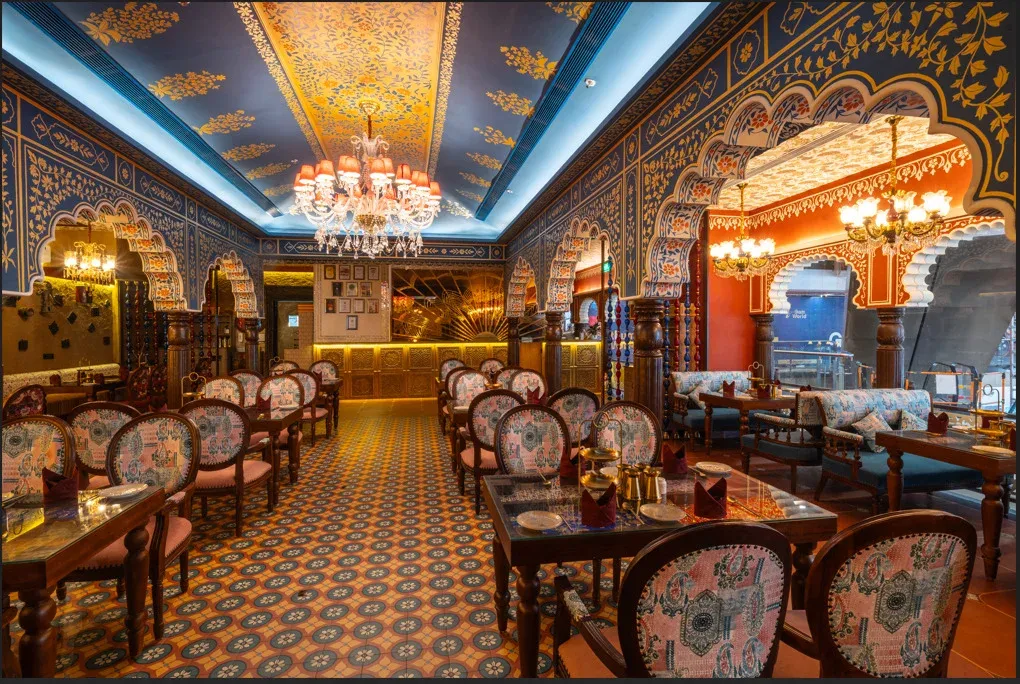
It was this exact gap between a meal and a memory that set the stage for Desi Vibes, an Indian dining brand built on the conviction that authenticity and hospitality shouldn't be competing priorities. "When we started, we felt dining out had become transactional. You could find a meal, but rarely a feeling," says Manas Wadhwa, Founder, Desi Vibes. Over 22 years, what began as an idea to celebrate Indian food in a way that felt "authentic, warm and contemporary at the same time" has grown into a full-fledged culinary institution, one that set out not just to feed people, but to give the Indian dining experience its soul back.
The Philosophy Behind the Flavour
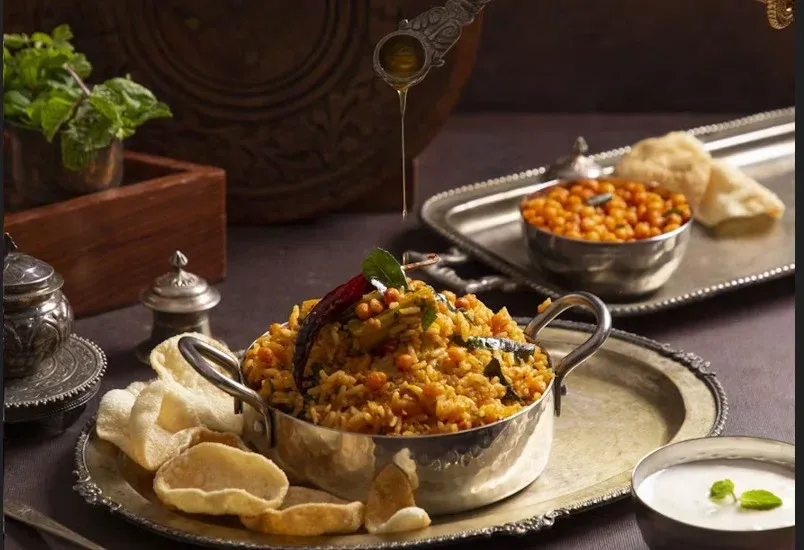
Desi Vibes' answer to that gap has been deceptively simple, never let trend chase out tradition. Every evolution to the menu, the presentation or the ambience has had to earn its place, judged against one question the brand keeps asking itself, does it still feel like Desi Vibes? That discipline shows up most clearly in what the founder calls the brand's biggest USP, consistency. Slow-cooked recipes and hand-ground masalas give the food its "honest, home-style character," while a rustic village-style ambience sets the emotional tone without ever upstaging the food itself, which Wadhwa insists remains "the real hero." Service, he says, ties it all together, built on warmth that comes "from discipline and genuine care."
A Kitchen Run Like a Cockpit
Behind that warmth sits a rigor that few diners see. In an industry increasingly scrutinised for food safety and hygiene, Desi Vibes treats the kitchen the way an airline treats a cockpit. "Food safety isn't a checkbox for us, it's non-negotiable, the same way safety protocols were non-negotiable in aviation," mentions Varun Khera, Founder. Vendors are vetted and long-term, ingredients undergo quality checks before entering the kitchen, and hygiene audits run as part of daily operations rather than being reserved for inspection day. Internal audits across every outlet, old and new alike, ensure no location is left assuming it meets the standard. Standardised recipes, portioning and preparation methods, backed by ongoing staff training and supervision, keep that promise consistent from the very first branch to the newest one.
Also Read:
Talent Was Never India's Problem: Inside the Vision Powering KC GlobEd's Rise in Global Finance Education
Innovating Without Diluting
That consistency hasn't come at the cost of relevance. As today's diners grow more curious and experience-driven, Desi Vibes has leaned into smarter ordering systems and better packaging to protect quality even beyond the restaurant's walls, proof that innovation, done right, can serve tradition instead of diluting it.
Scaling the Feeling, Not Just the Footprint
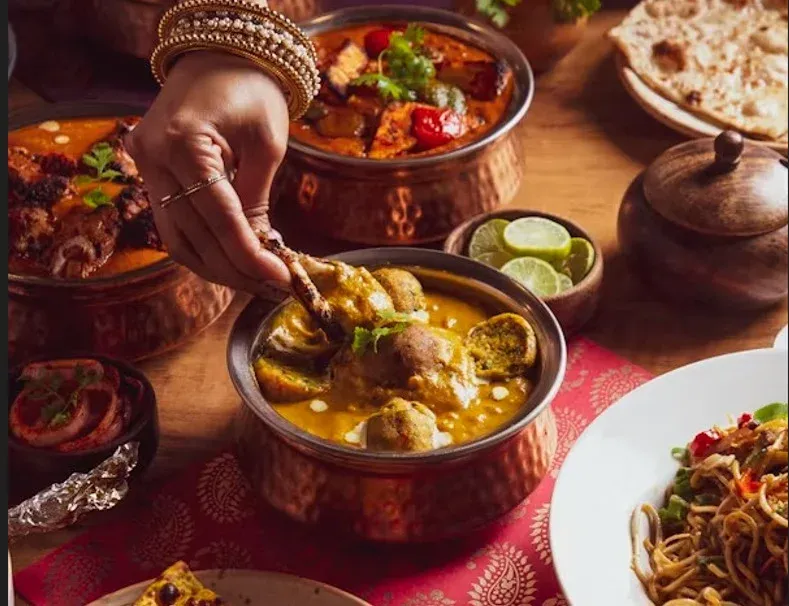
The next chapter is about scaling that philosophy, not diluting it. Desi Vibes is pursuing franchise-led expansion into new cities over the next three to five years, while keeping its non-negotiables, recipe standardisation, ingredient quality and rigorous training, fully intact. Alongside this, its sister concepts, including The Imperial Spice, The Beer Circle and K se Kulcha, are each being nurtured to grow into their own identities without losing what made them distinct.
Also Read:
From Pitch Decks to Investment-Ready Businesses: How Impactful Pitch Is Reframing Startup Fundraising
A Homecoming, Twenty Years On
It is an ambition rooted less in scale and more in memory. The vision, as Wadhwa frames it, is for Desi Vibes to become a true culinary institution, one where, twenty years from now, a new generation of guests can still walk through the door and feel exactly what the very first guests felt back in 2005, not served, but welcomed. In an industry chasing growth for growth's sake, that may be the most radical business plan of all, building a brand that scales in cities, but never in distance from the people it feeds.