
Lifestyle
Likes Over Hygiene? How Unhygienic Food Videos Are Shaping What We Accept
By MILLENNIUM NEWSROOM Desk · Published: Oct 07, 2026 07:21 PM
3 min read
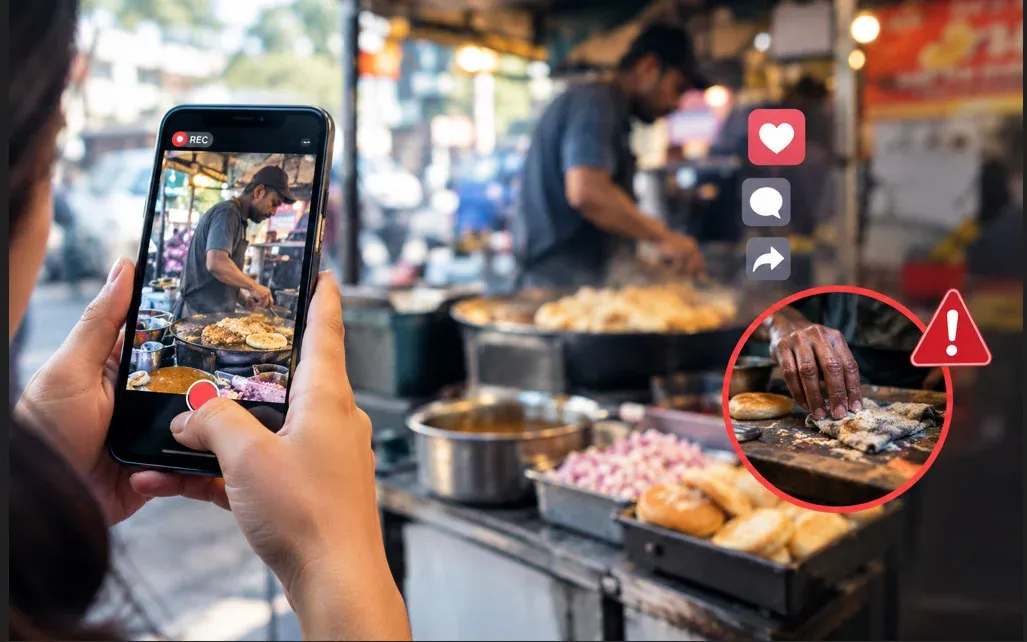
Scroll through any short-form video feed and a sizzling plate of street food is rarely more than a swipe away. But as unhygienic food videos collect views and subscribers for creators, a harder question is gaining attention: what happens to society when visibly poor food handling becomes entertainment?
The Price of a Viral Plate
Food influencers frequently feature street-side vendors and fast-food outlets because such content draws views and subscribers. The ethical tension begins when hygiene and food safety standards at these outlets are questionable, yet they are promoted anyway to grow a channel. The central argument is that responsible creators must look beyond view counts and, where good hygiene practices are not visible, think twice before featuring an outlet at all.
"It's the creator's duty to look beyond view counts when showcasing food businesses. Street food is a part of day-to-day life, and entertainment shouldn't endanger the safety of others. Creating honest content demonstrates integrity, not the number of views," said Shashwat Paul, Content Creator.
Visibility Is Power
Social media can reshape how a business is perceived and bring in new customers. For small vendors, that attention can be welcome. Yet extensive visibility for a shop with visibly poor hygiene risks sending the wrong signal: that appearance and food handling do not matter. Audiences can instead push vendors toward improvement, and creators must stay aware of the influence they hold. Good street food hygiene should never be treated as optional just because a video performs well.
Also Read:
Gen Z Turns Heirloom Jewellery Into Everyday Style
When Unsafe Starts to Look Normal
Repeated exposure to food content can shape what audiences consider normal or acceptable. When viewers repeatedly see food handled or presented poorly, and never hear a word about food safety or hygiene, those behaviours may gradually become normalised. Over time, the absence of any safety context can quietly lower the bar for what viewers expect from the food they eat. The concern is greatest among young audiences, who watch plenty of short-form content.
Entertainment Is Not Endorsement
Many consumers read an influencer's recommendation as an informal endorsement of a food outlet. Audiences therefore need a simple rule: a food video is never a food-safety certification. Viewers can weigh the context of the content, consider the creator's reflection on the overall experience, and observe hygiene levels for themselves. Creators, in turn, should be honest about whether they are sharing a personal experience or endorsing a specific place.
Also Read:
Royal Enfield HunterHood to Make Kochi Debut on August 8 with Celebration of Street Culture
A Shared Responsibility
The goal is not to keep street-food businesses out of sight. It is to make their visibility more responsible, and that takes every stakeholder. Bloggers can stop glamourising visible safety hazards, vendors can commit to cleaner practices, platforms can foster responsible food content, and consumers can support cleaner vendors.
"The purpose shouldn't be to keep street-food enterprises from being seen. The purpose should be to help everyone make that visibility more responsible. What gets plenty of visibility doesn't have to cause plenty of harm – with awareness," said Shashwat Paul, Content Creator.
Awareness, in short, is the missing ingredient. Viral appeal and public safety need not be at odds, provided creators, vendors, platforms and viewers each do their part. For the audience scrolling tonight, the takeaway is simple: enjoy the content, but observe the hygiene yourself.