
Lifestyle
Beyond Milk: Hasanand Is Trying to Rebuild India’s Desi Cow Economy
By MILLENNIUM NEWSROOM Desk · Published: Jul 04, 2026 04:29 AM · Updated: Jul 16, 2026 02:32 AM
3 min read
For many Indians, the desi cow holds deep cultural and spiritual significance. Yet for the farmers responsible for feeding and caring for these indigenous breeds, practical economics often take precedence over sentiment.
Over the past several decades, India's dairy industry has undergone a major transformation. Crossbred cattle with significantly higher milk yields became the preferred choice for many dairy farmers, boosting national milk production and strengthening the country's dairy economy. However, this shift also made it increasingly difficult for indigenous cattle breeds to remain economically viable.
It is this challenge that Hasanand Gau Samvardhan Kendra, based in Vrindavan, seeks to address through a holistic model of indigenous cattle conservation.
Building an Economy Around Indigenous Cattle
Unlike a traditional gaushala that primarily shelters abandoned cattle, Hasanand Gau Samvardhan Kendra focuses on preserving indigenous breeds through scientific breeding practices, veterinary healthcare, nutrition management and farmer outreach.
Its central philosophy is straightforward: if desi cows are to survive in the long term, they must once again become economically valuable to the people who rear them.
Rather than relying solely on milk production, the institution promotes the complete utilisation of the cow's value chain through Panchgavya-based products, natural farming practices and other value-added applications derived from indigenous cattle.
One example is Madhuramrat ghee, produced using curd cultured from desi cow milk. While the product has gained attention, it represents only one component of a broader ecosystem designed to generate sustainable rural livelihoods. The emphasis remains on creating diversified income opportunities that improve the long-term viability of indigenous livestock.
Moving Beyond Sentiment
Supporters of the model argue that conservation efforts cannot rely on cultural reverence alone. Farmers must be able to generate reliable income from indigenous cattle if these breeds are to survive in a rapidly changing agricultural landscape.
Without sustainable economics, preserving native breeds becomes increasingly challenging regardless of their historical or cultural importance. The Hasanand model reflects a growing movement across rural India where discussions around natural farming, soil health and indigenous livestock are becoming closely interconnected.
A Documentary That Examines the Larger Picture
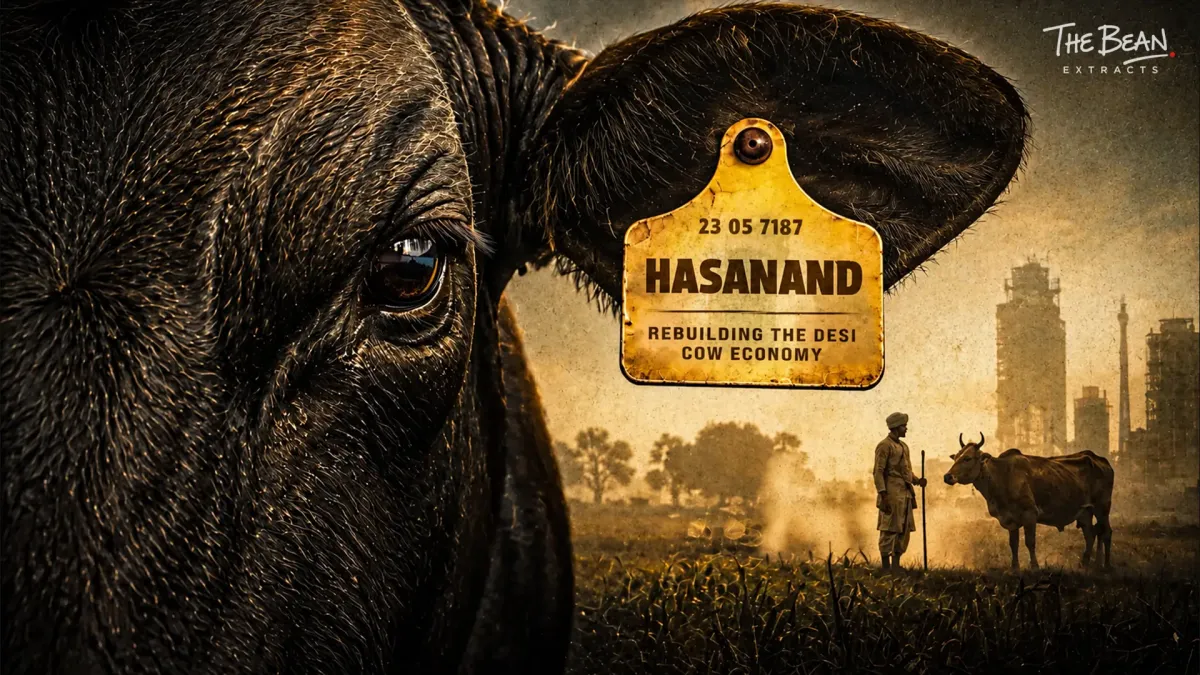
These questions are explored in Hasanand, a recently released documentary by The Bean Extracts. The film follows the work of Hasanand Gau Samvardhan Kendra while examining the broader economic and agricultural forces that reshaped India's relationship with indigenous cattle.
Rather than presenting a nostalgic or ideological narrative, the documentary allows farmers, scientists and practitioners to explain the complexities surrounding indigenous cattle conservation. It offers viewers a grounded perspective on an issue that is often reduced to slogans or emotional debates.
A Different Approach to Documentary Storytelling
At a time when much of today's digital content is designed for rapid consumption and instant reactions, Hasanand adopts a slower, more reflective approach. The documentary gives space to nuanced conversations and highlights the lived realities of those working closest to India's rural economy.
Its focus remains firmly on practical challenges rather than political rhetoric, offering insight into how sustainable agriculture, indigenous livestock and rural livelihoods intersect.
The Larger Question for India's Rural Future
Whether Hasanand's approach can be replicated across India remains an open question. However, the institution presents an important idea: the future of indigenous cattle conservation may depend less on cultural symbolism and more on creating economically sustainable systems that benefit farmers.
As India continues to explore pathways toward sustainable agriculture and resilient rural livelihoods, initiatives such as Hasanand Gau Samvardhan Kendra provide valuable case studies—not only for the products they develop, but also for the broader questions they raise about conservation, farming economics and the future of indigenous livestock.