
World news
Iran Condemns US Strikes as Breach of Peace Memorandum Amid Renewed Gulf Tensions
By MILLENNIUM NEWSROOM Desk · Published: Jun 28, 2026 12:19 AM · Updated: Jul 01, 2026 03:55 AM
3 min read
Tehran says American attacks breached recently signed agreement as tensions rise again across the Gulf
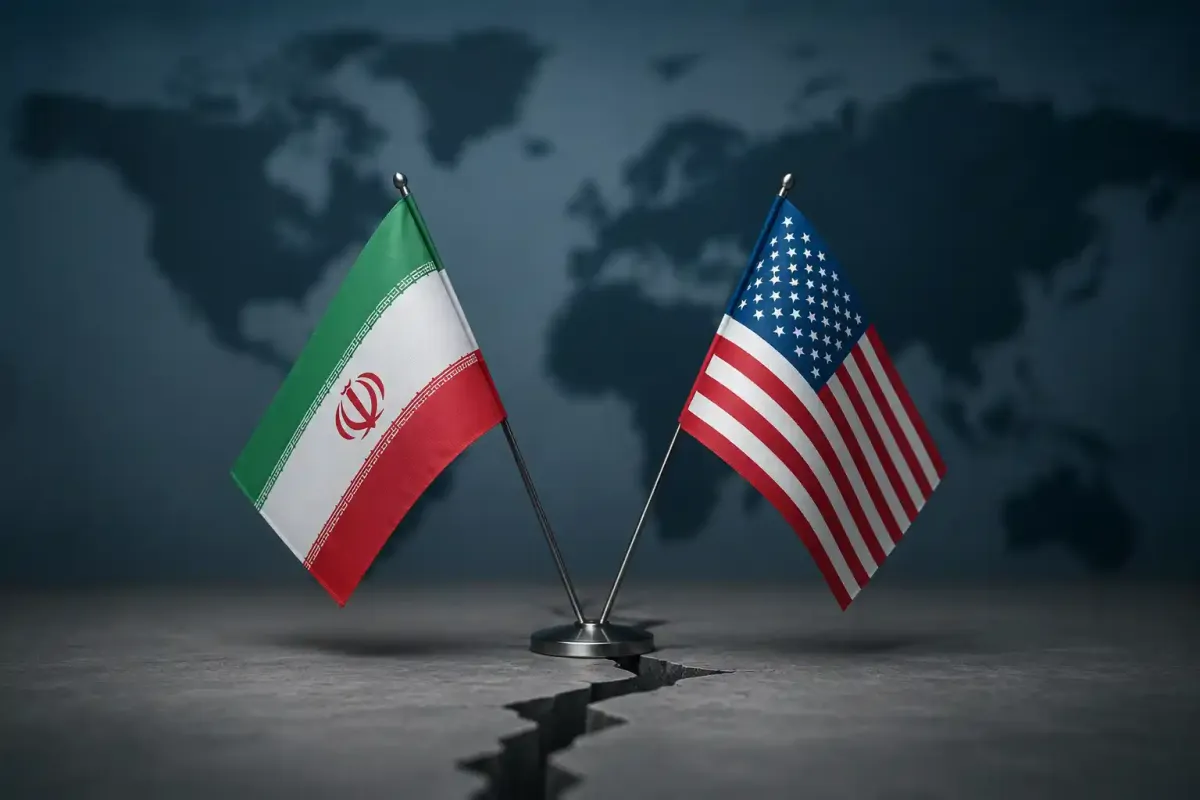
A fragile peace agreement between Iran and the United States has come under severe strain after Tehran accused Washington of violating a recently signed memorandum of understanding (MoU) through fresh military strikes on Iranian territory.
Iranian officials condemned the attacks as a breach of international law and the ceasefire framework that both sides had agreed to earlier this month. The strikes came after the United States said it was responding to an Iranian drone attack on a commercial vessel transiting the Strait of Hormuz, one of the world's most strategically important maritime trade routes.
According to US officials, American forces targeted Iranian military infrastructure, including facilities linked to missile storage, drone operations and coastal surveillance. Washington described the operation as a limited response intended to protect international shipping rather than restart the wider conflict.
Iran, however, rejected that justification. Tehran's Foreign Ministry said the strikes represented a direct violation of the memorandum signed to reduce hostilities and restore stability in the region. Officials maintained that Iran remained committed to the agreement but warned that any breach by Washington would invite reciprocal action.
The Islamic Revolutionary Guard Corps (IRGC) later announced that it had launched retaliatory strikes against what it described as US-linked military targets in the region, though Iranian authorities did not immediately disclose the locations or extent of the attacks.
Gulf tensions intensify
The latest escalation also prompted concern among Gulf nations. Bahrain reported that Iranian drones had entered its territory and strongly condemned the incident, calling it a violation of its sovereignty. Manama accused Tehran of undermining ongoing efforts aimed at regional de-escalation.
The exchange of military action marks the first direct confrontation between the United States and Iran since the two sides agreed to the MoU intended to halt months of hostilities and ensure safer navigation through the Strait of Hormuz.
Maritime security remains a concern
The Strait of Hormuz remains one of the world's busiest energy corridors, carrying a significant share of global oil and liquefied natural gas shipments. Recent attacks on commercial vessels have renewed concerns over shipping security and the possibility of wider regional instability.
Despite the renewed military exchanges, American officials have indicated that Washington continues to support the broader ceasefire framework while insisting that attacks on commercial shipping will receive a military response. Iran, meanwhile, has reiterated that the United States must fully honour the memorandum if the agreement is to survive.
Outlook
The latest developments underscore the fragile nature of the US-Iran peace arrangement. While both governments continue to publicly reference the memorandum, the exchange of strikes has raised fresh doubts over whether the agreement can prevent another prolonged cycle of conflict in the Gulf.
As diplomatic efforts continue, regional governments and global energy markets remain closely focused on developments around the Strait of Hormuz, where any further escalation could have significant geopolitical and economic consequences.