
World news
France Heatwave Turns Deadly: 40 Drown as Red Alert Grips Nation Amid Record-Breaking Temperatures
By MILLENNIUM NEWSROOM Desk · Published: Jun 25, 2026 01:39 AM · Updated: Jul 01, 2026 02:54 AM
3 min read
France Battles Deadly Heatwave as Drowning Deaths Rise
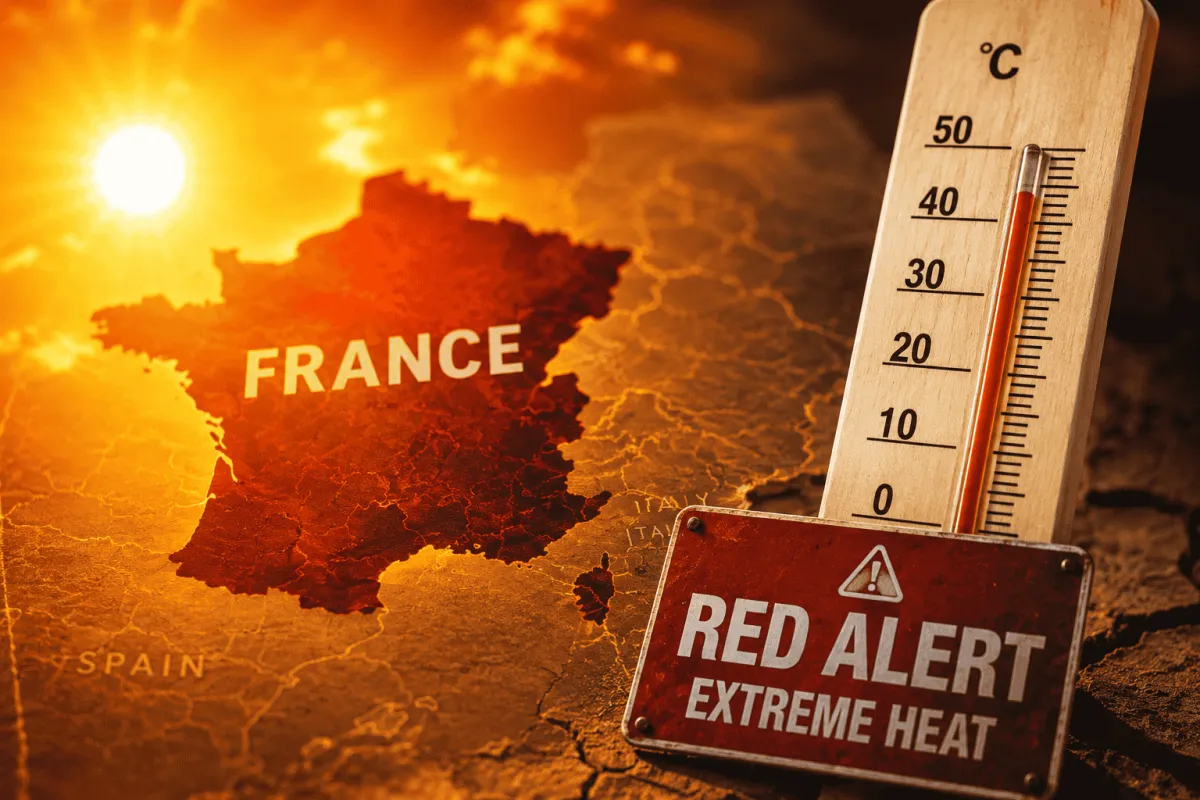
France is grappling with one of its most severe early-summer heatwaves in recent years, with authorities confirming that at least 40 people have drowned since June 18 while attempting to escape soaring temperatures. The country remains under widespread red heat alerts as forecasters warn that temperatures could climb beyond 40°C in several regions.
The prolonged spell of extreme weather has disrupted daily life, strained emergency services, and prompted renewed safety warnings as millions seek relief from the intense heat.
Red Alert Issued Across Large Parts of France
France's national weather service has placed multiple regions under its highest-level heat warning, forecasting temperatures that could reach 43°C in some western areas. Officials have urged residents to remain indoors during the hottest hours of the day, stay hydrated, and monitor elderly or vulnerable family members.
The extreme conditions are expected to continue for several more days, increasing concerns over heat-related illnesses and infrastructure disruptions.
40 Drown While Trying to Escape the Heat
According to French authorities, at least 40 people have died by drowning since June 18 as many sought relief in rivers, lakes, canals, and other natural water bodies.
Several of the incidents reportedly occurred in unsupervised or unauthorized swimming areas. Emergency officials have urged the public to use only designated swimming locations and to avoid taking unnecessary risks during the ongoing heatwave.
Sports Minister Marina Ferrari appealed to the public to exercise caution, emphasizing that unsafe swimming during periods of extreme heat can quickly become life-threatening.
Heatwave Disrupts Daily Life
The soaring temperatures have affected transportation, workplaces, schools, and public services across France.
- Demand for electric fans and cooling equipment has surged.
- Public transport passengers have reported uncomfortable travel conditions.
- Rail services have experienced delays in some areas due to heat affecting infrastructure.
- Several municipalities have opened cooling centres for vulnerable residents.
Europe Faces Widespread Extreme Temperatures
The heatwave extends well beyond France, with several European countries experiencing unusually high temperatures.
- Spain has issued red weather alerts in multiple regions.
- Italy has implemented heat warnings and restrictions on outdoor work in certain areas.
- Belgium has adjusted school activities because of unsafe classroom temperatures.
- The United Kingdom is also forecasting exceptionally high temperatures that could challenge June records.
Climate Experts Warn of More Frequent Heatwaves
Scientists say the current weather pattern has been intensified by an atmospheric blocking system that traps hot air over western Europe for extended periods.
Climate researchers continue to warn that Europe is warming faster than the global average, increasing the frequency, intensity, and duration of extreme heat events. These conditions not only elevate health risks but also contribute to drought, wildfire danger, and pressure on public infrastructure.
Echoes of the 2003 European Heatwave
The ongoing crisis has revived memories of the devastating 2003 European heatwave, during which tens of thousands of people lost their lives, including approximately 15,000 in France.
Since then, France has strengthened its heat alert system and emergency response measures. However, the current conditions once again highlight the growing challenges posed by increasingly frequent episodes of extreme weather.
Authorities Issue Public Safety Advice
Officials continue to encourage residents and visitors to follow basic heat safety precautions.
- Drink plenty of water throughout the day.
- Avoid outdoor activities during peak afternoon hours.
- Remain in shaded or air-conditioned environments whenever possible.
- Check regularly on elderly neighbours and vulnerable individuals.
- Swim only in supervised and designated areas.
With weather forecasts indicating that extreme temperatures will persist across parts of Europe, authorities remain on high alert as they work to reduce heat-related injuries and fatalities.