
CXO View
Generative AI in Education Must Empower Students, Not Think for Them
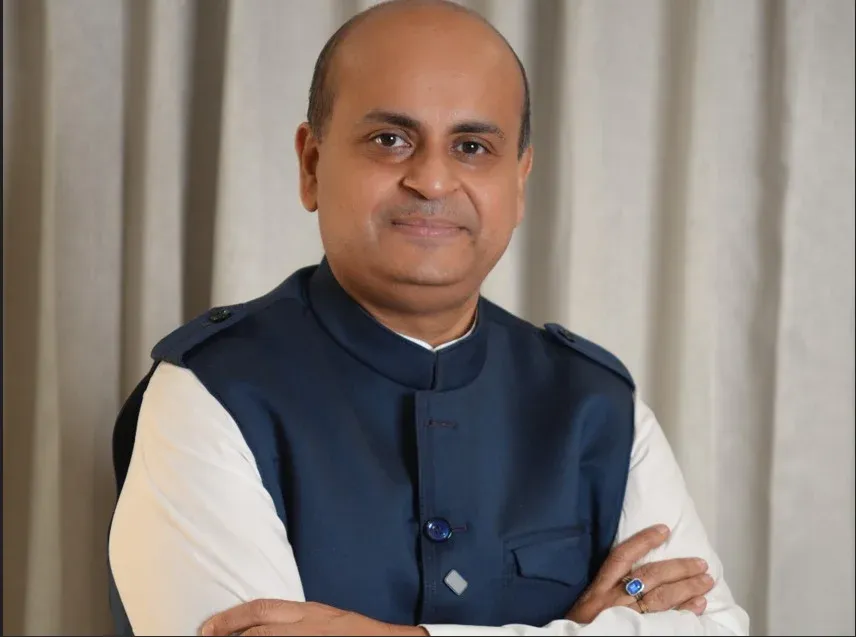
By Shailendra Bhadauria, Chancellor, Pratap University · Published: Nov 16, 2026 08:07 PM
4 min read
Educational objectives go beyond securing good grades. They involve building subject knowledge, developing creative thinking and strengthening problem-solving abilities. When used responsibly, generative AI can support these objectives and make learning more effective.
For instance, students struggling with mathematics can use AI tools to understand complex problems through step-by-step explanations. Those working on research projects can use the technology to explore a subject, gather relevant information and organise their ideas. Such applications can make learning more accessible and help students approach difficult topics with greater confidence.
Also Read:
Why Founder-Focused MBA Programmes Must Teach Market Validation Before Fundraising
However, submitting AI-generated assignments without understanding the subject defeats the purpose of education. Completing academic work in less time does not necessarily translate into acquiring knowledge or developing essential skills. AI should serve as a learning companion rather than a substitute for a student's intellectual effort.
Academic Integrity Must Remain Non-Negotiable
Academic integrity is fundamental to the credibility of education. The growing use of generative AI has made originality, honesty and accountability even more important.
When students present AI-generated material as entirely their own work, they raise serious ethical concerns. Such practices misrepresent their knowledge and abilities, potentially undermining the assessment process and the trust placed in academic qualifications.
However, using AI does not automatically amount to academic dishonesty. Students can responsibly use these tools to understand difficult concepts, improve grammar, develop outlines and explore alternative perspectives. The distinction lies in whether AI assists their learning or does the intellectual work on their behalf.
Also Read:
Learn, Unlearn, Relearn: What the Future of Hiring Demands
Transparency is equally important. Students should disclose their use of AI wherever required by institutional guidelines. At the same time, universities and colleges must establish clear policies explaining acceptable applications, limitations and disclosure requirements.
Critical Thinking Is the Best Defence Against AI Errors
One of the biggest challenges associated with generative AI is the possibility of students accepting its responses without questioning their accuracy. AI systems can produce misleading information, present incorrect explanations and even generate references to academic sources that do not exist.
Students must therefore understand that AI-generated information is not automatically reliable or verified. Developing the ability to question, analyse and independently evaluate information is essential when using these tools.
Cross-checking AI-generated responses against textbooks, academic journals and other credible sources can help students identify inaccuracies. Examining different viewpoints before reaching conclusions also strengthens their analytical abilities.
This becomes particularly important in disciplines such as medicine, law, engineering and science, where incorrect information can have serious consequences. Technology may make information readily available, but the responsibility to establish its accuracy remains with the student.
Protecting Personal Data and Respecting Intellectual Property
Responsible AI use also involves understanding the importance of data privacy and intellectual property. Students may unknowingly expose sensitive information by uploading personal details, confidential research documents or unpublished findings to AI platforms.
Before sharing information with any AI service, students should examine its privacy policies and consider whether the material is appropriate to disclose. Sensitive academic and personal information should never be shared without understanding the potential risks.
Also Read:
The Future of GCCs in an Agentic AI World
Respecting intellectual property is another important consideration. AI-generated content may sometimes resemble existing published material or draw upon ideas developed by other authors. Students must ensure that original sources are appropriately acknowledged and that borrowed ideas are properly attributed.
Using AI should not become an excuse for overlooking plagiarism or disregarding the contributions of researchers, writers and other creators.
Preparing Students for an AI-Driven Professional World
As AI adoption expands across industries, familiarity with these technologies is becoming an increasingly valuable professional skill. Students entering the workforce will need to understand not only how to use AI tools but also when to rely on them and when independent judgement is necessary.
Higher education institutions should therefore approach AI as an opportunity to improve learning rather than treating its presence as a threat. Instead of simply discouraging its use, universities and colleges should prepare students to engage with the technology responsibly.
Workshops, seminars and practical training sessions can help students understand the appropriate applications of generative AI. Clear academic guidelines can further establish when AI assistance is acceptable and when assignments must reflect independent work.
Ultimately, employers will continue to value individuals who can think creatively, communicate effectively, solve problems and exercise sound judgement. AI proficiency may provide a competitive advantage, but these fundamental human capabilities will remain essential.
The Future of Education Depends on Independent Thinking
Generative AI offers significant opportunities to make education more accessible, efficient and interactive. However, the real value of this technology depends on how students choose to use it.
The objective should not be to complete academic assignments with the least possible effort. Instead, students should use AI to deepen their understanding, explore new perspectives and strengthen their abilities.
Also Read:
Sustainability Is Redefining Consumer Trust in India's Food Brands
The future of education will not be determined simply by how effectively students operate AI tools. It will depend on their ability to question information, think independently, exercise ethical judgement and continue learning. Technology can support the educational journey, but it must never replace the curiosity and critical thinking that make education meaningful.